Live Betting and AI Innovations Drive Sportsbook Changes Ahead of 2026 World Cup
Dana Sullivan · Aug 18, 2026
Live Betting and AI Innovations Drive Sportsbook Changes Ahead of 2026 World Cup
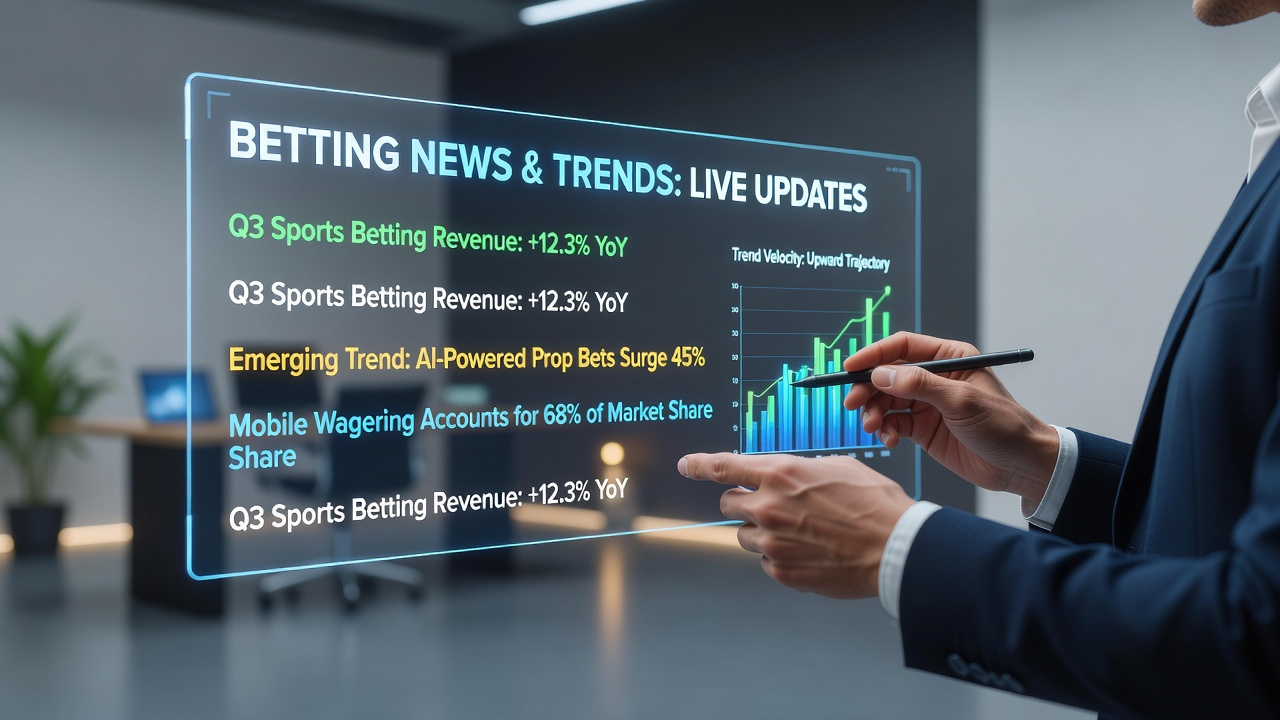
Live betting, bet builders, AI-driven odds, and mobile-first platforms stand out as the primary trends reshaping sportsbooks throughout 2026, with soccer and the FIFA World Cup generating substantial growth in specialized markets along with real-time features according to industry reports. These developments connect directly to increased demand for in-play wagering during major events, while platforms adjust their offerings to match shifting user behaviors in real time.
Live Betting Expands Real-Time Engagement
Live betting, also known as in-play wagering, permits users to place bets on ongoing matches with odds that update continuously based on game developments, and this capability has accelerated adoption rates across major operators. Soccer matches in particular benefit from this format because of their fluid structure, where goals, cards, and possession statistics create frequent opportunities for new wagers during the 90 minutes plus stoppage time. Data from recent analyses shows live betting now accounts for a growing share of total handle in regulated markets, especially as the 2026 FIFA World Cup approaches its group stage matches scheduled across North America.
Bet Builders Enable Custom Combinations
Bet builders and combination wagers allow users to assemble multiple outcomes into a single ticket, such as pairing a player to score with a team total corners or a match result with over/under goals, and these tools have gained traction because they provide higher potential payouts while maintaining engagement through personalized selections. Operators have expanded the available data points within these builders to include advanced soccer metrics like expected goals and progressive passes, which in turn support more granular combinations ahead of the World Cup. Research indicates that combination wagers contribute to longer session times on platforms that integrate them seamlessly with live events.
AI Systems Refine Odds and Risk Management
AI-driven odds generation uses machine learning models to process vast datasets including historical performance, weather conditions, player injuries, and betting patterns, then adjusts prices dynamically to balance liability across books. This approach reduces manual intervention while improving accuracy for in-play markets that change rapidly during soccer matches. Figures from industry tracking reveal that operators employing AI for odds have reported lower variance in margins during high-volume periods such as international tournaments. Those who have studied implementation note that AI also assists with fraud detection by flagging unusual betting clusters in real time.
Mobile-First Design Supports On-the-Go Access
Mobile-first platforms prioritize app performance, push notifications for live updates, and simplified interfaces that accommodate quick bet placement during matches, and this focus aligns with broader shifts in how users consume sports content. In August 2026, as qualifying and preparatory matches intensify ahead of the World Cup, operators have introduced features such as one-tap bet builders and integrated video streams within the same mobile view. Evidence suggests that mobile wagering volumes surpass desktop activity by wide margins in most jurisdictions, prompting continued investment in responsive design and faster data delivery.
Soccer and FIFA World Cup Fuel Market Expansion
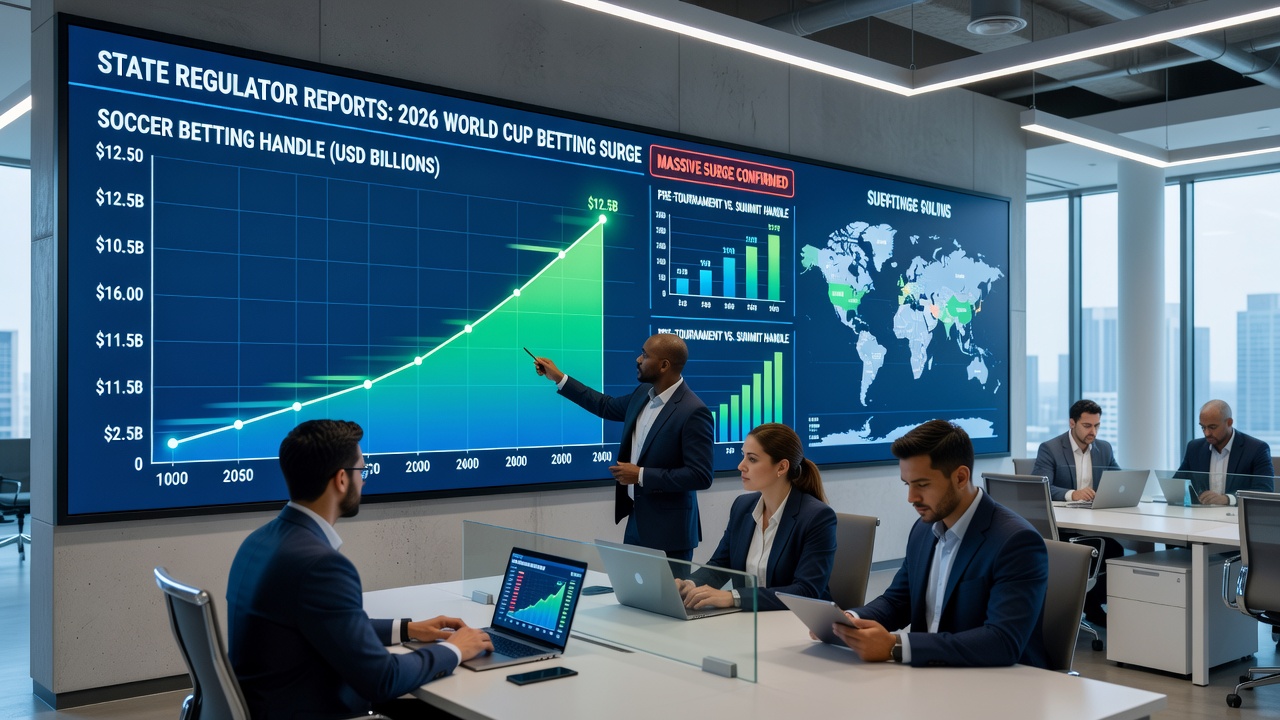
Soccer drives much of the innovation because of its global popularity and the volume of matches available for betting, while the upcoming FIFA World Cup amplifies demand for specialized markets such as player props, corner counts, and half-time results. The tournament's expanded 48-team format creates additional fixtures that extend across summer months, giving platforms extended periods to test and refine live features. Observers note that operators in Canada and other regulated regions have introduced localized promotions tied to national teams, which further integrates with mobile notifications and combination wagers.
Regulatory frameworks in multiple jurisdictions continue to shape how these technologies roll out, with emphasis on responsible gambling tools that integrate directly into the same interfaces used for live betting. For instance, session limits and reality checks appear alongside AI-generated odds to maintain compliance without disrupting user flow. Industry analyses highlight that such balanced approaches support sustainable growth as volumes rise toward the World Cup.
Integration Across Platforms Creates Unified Experience
Operators increasingly combine live betting, bet builders, AI adjustments, and mobile interfaces into single ecosystems rather than separate products, which allows seamless transitions between pre-match planning and in-game adjustments. This integration reduces friction for users following multiple soccer matches simultaneously, a common scenario during World Cup group stages. Data shows that platforms offering unified experiences see higher retention rates compared with those maintaining siloed features.
Conclusion
The convergence of live betting, bet builders, AI-driven odds, and mobile-first platforms continues to define sportsbook evolution in 2026, particularly as soccer and the FIFA World Cup generate sustained interest in real-time and specialized wagering options. These trends reflect broader technological and market adaptations that prioritize speed, customization, and accessibility across devices. As the tournament progresses, further refinements in these areas are expected to maintain alignment with user preferences and regulatory requirements in key regions.