CME Group and Kalshi Leaders Debate Stronger CFTC Oversight for Prediction Markets
Dana Patterson · Aug 23, 2026
CME Group and Kalshi Leaders Debate Stronger CFTC Oversight for Prediction Markets
Leaders from CME Group and Kalshi took the stage together in August 2026 to discuss the future of prediction markets, and the conversation quickly turned toward the role of the Commodity Futures Trading Commission. Representatives from both organizations laid out their positions on contract integrity, manipulation risks, and the pace of platform growth, especially as sports-related contracts continue to expand. The exchange highlighted clear differences between established exchanges and newer entrants while the broader industry adjusts to evolving regulatory expectations.
Those who attended the session noted that the debate stayed focused on specific operational concerns rather than broader philosophical disagreements. CME Group executives emphasized the need for consistent standards across all platforms, while Kalshi representatives pointed to existing compliance measures already in place. Both sides acknowledged that prediction markets have attracted increased attention from traders and regulators alike as trading volumes rise.
Contract Integrity and Manipulation Risks Take Center Stage
Participants examined how contract design affects the potential for manipulation, and they compared examples from traditional futures markets with newer event-based contracts. CME Group officials described long-standing surveillance systems that monitor trading patterns in real time, whereas Kalshi leaders outlined their own internal controls and data verification processes. Observers noted that both organizations agreed on the importance of maintaining accurate settlement data, though they differed on the exact level of external oversight required to achieve that goal.
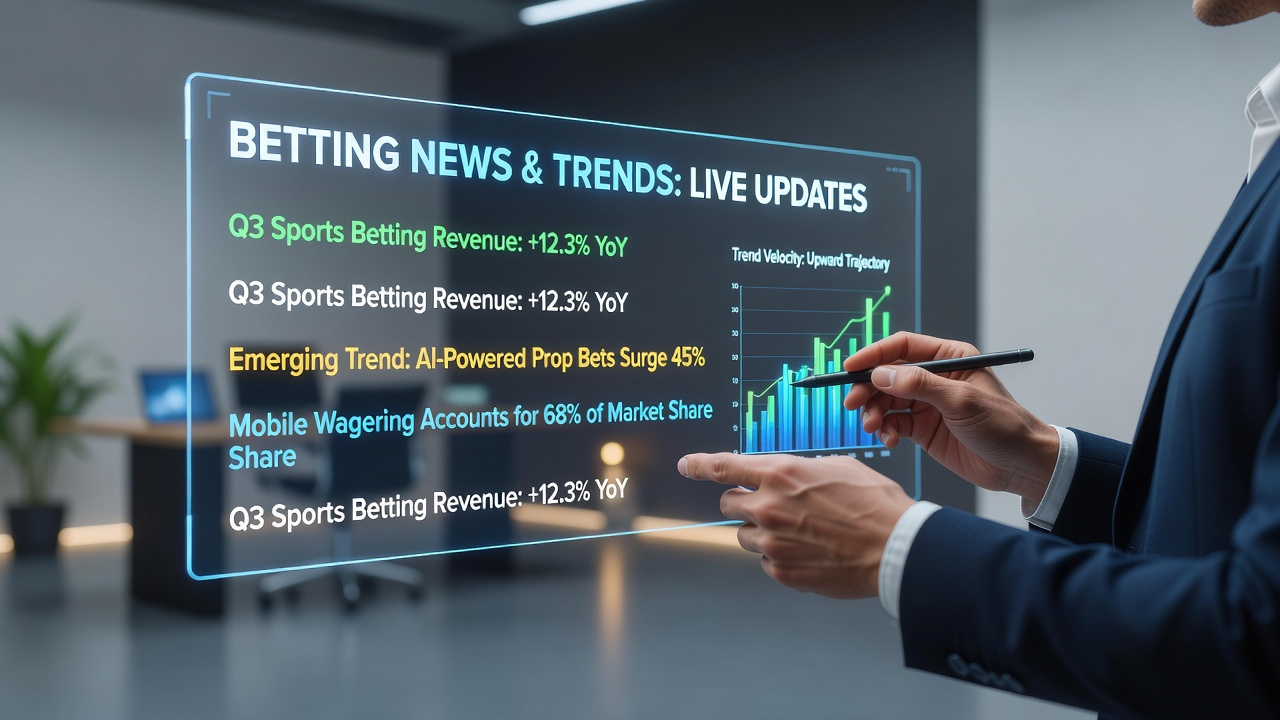
The discussion also covered recent growth in sports-related offerings, which has drawn new participants into prediction markets. Data from industry reports shows that event contracts tied to athletic outcomes now represent a larger share of overall volume than in previous years. Representatives from each side presented statistics on daily trading activity and user growth, and they examined how these trends intersect with existing CFTC guidelines on market surveillance.
Tensions Between Traditional Exchanges and Newer Operators Emerge
Although the tone remained professional, differences in perspective surfaced when the panel addressed licensing requirements and reporting obligations. CME Group has operated under CFTC oversight for decades, and its representatives described how those rules shaped their risk management practices. Kalshi, which launched more recently, highlighted its efforts to meet the same standards while scaling operations quickly. The contrast illustrated how legacy infrastructure and startup agility can lead to distinct operational priorities even when both parties pursue similar compliance outcomes.
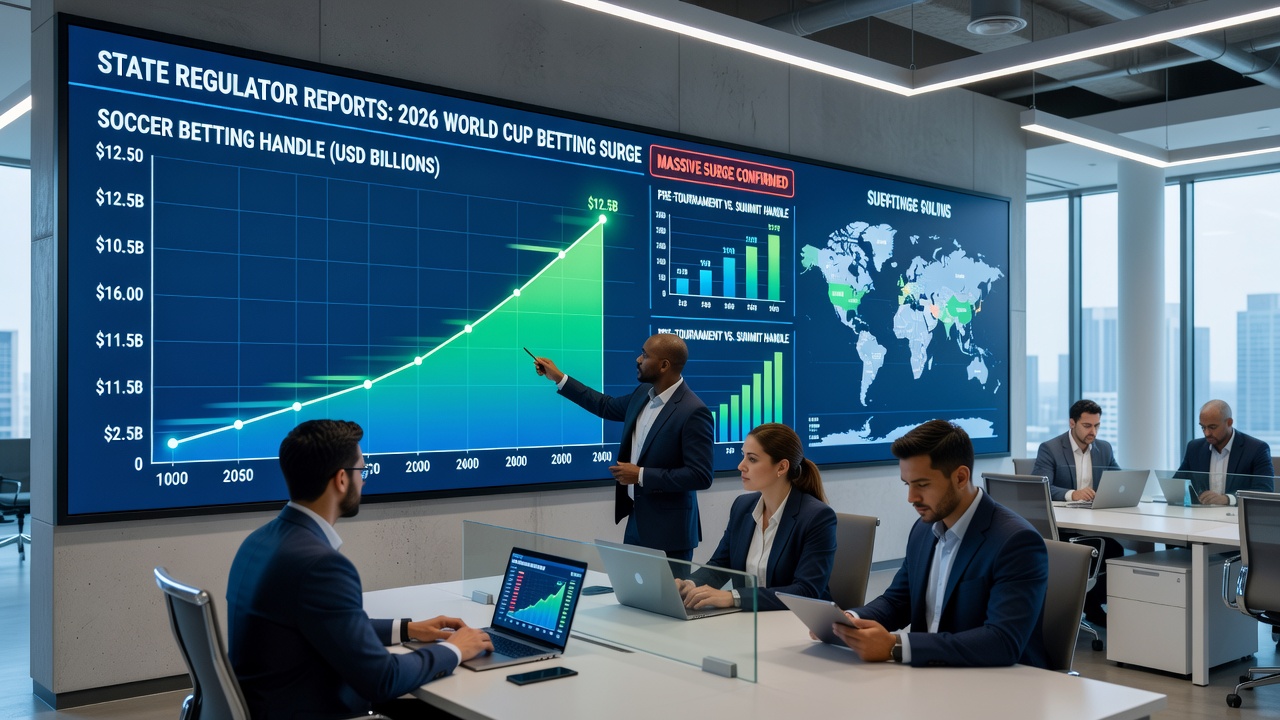
Panel moderators directed questions toward practical examples of manipulation attempts and how platforms detect them. Both organizations described cases where unusual trading patterns triggered reviews, and they explained the steps taken to investigate and resolve those incidents. Attendees heard that cooperation with regulators has increased as trading activity broadens, yet the precise division of responsibilities between platforms and oversight bodies continues to evolve.
Industry Growth and Regulatory Adaptation in 2026
Throughout 2026, prediction market operators have introduced new contract types tied to sports leagues and major events, and this expansion has prompted regulators to examine existing frameworks more closely. According to Sports Betting Industry News for August 2026, trading volumes across multiple platforms reached record levels earlier in the year. The August discussion between CME Group and Kalshi reflected this momentum while also addressing the practical challenges of scaling oversight alongside volume.
Experts have observed that the CFTC has issued additional guidance on event contracts in recent months, and market participants have responded by adjusting internal policies. The public debate allowed both organizations to share how they interpret these updates and what resources they allocate to compliance teams. While the session did not produce formal recommendations, it provided a transparent forum for comparing approaches that other operators may reference as they prepare their own regulatory filings.
Looking Ahead as Oversight Discussions Continue
Future meetings between traditional exchanges and newer prediction market platforms are expected to build on the points raised during the August session. Both CME Group and Kalshi indicated they would continue engaging with the CFTC on matters of contract design and surveillance technology. Industry participants who follow these developments will watch for any new rule proposals that emerge from ongoing consultations, and they will track how enforcement priorities shift as sports-related contracts gain further traction.
Conclusion
The public exchange between CME Group and Kalshi leaders captured the current state of regulatory dialogue in prediction markets during August 2026. By focusing on contract integrity, manipulation detection, and platform growth, the discussion offered concrete examples of how different market operators approach oversight responsibilities. As the industry continues to expand, these conversations provide data points that regulators and participants alike can use to refine policies and procedures. The session underscored that both established adn emerging platforms share an interest in maintaining orderly markets, even as they navigate distinct operational histories and strategic goals.